When planning a visit to Kakadu National Park, a common question is how many days are needed to truly experience its wonders. The answer depends on your interests and the time you have available. Whether you’re a nature lover, a history buff, or an adventurer, Kakadu has something for everyone, and the more time you can spare, the richer your experience will be. In this article, we’ll delve into the various itineraries and attractions to help you decide the ideal length of your stay.
Overview of Kakadu’s Significance
Kakadu National Park, located in the Northern Territory, is one of Australia’s most iconic national parks. Spanning nearly 20,000 square kilometers, it’s home to a diverse range of ecosystems, from monsoon forests and wetlands to sandstone escarpments and floodplains. This vast natural wonder is also a UNESCO World Heritage site, recognized for both its natural and cultural significance. The park is co-managed by Parks Australia and the Traditional Owners, the Bininj/Mungguy people, who have lived on and cared for this land for thousands of years.
Unique Flora and Fauna of Kakadu
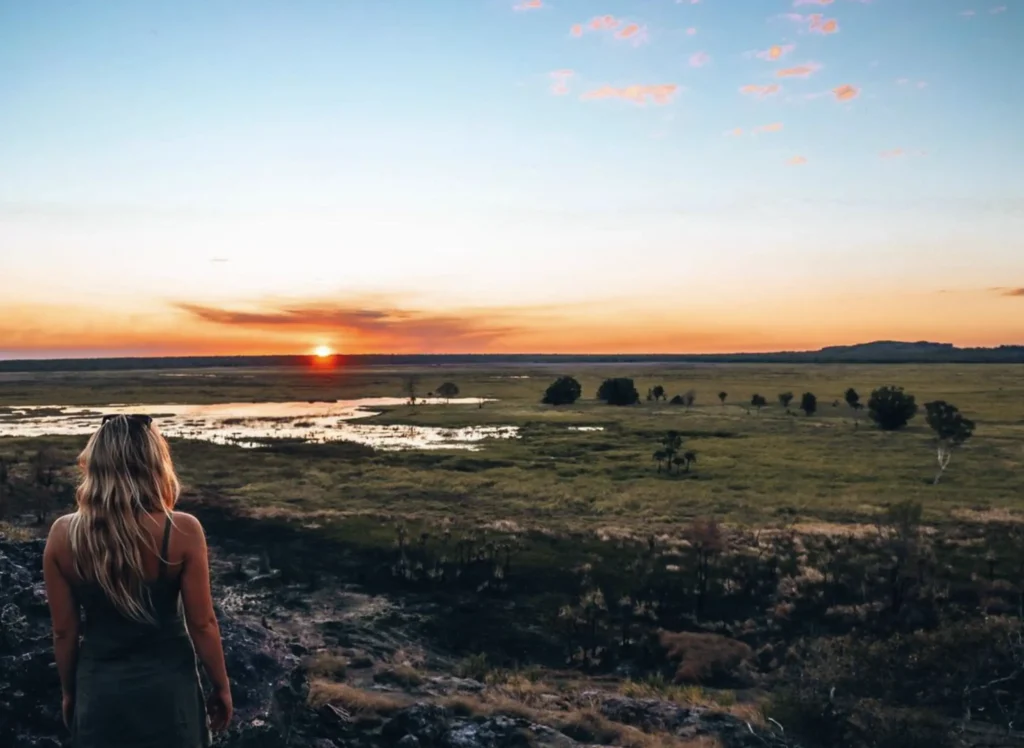
The flora and fauna of Kakadu are nothing short of extraordinary. With habitats ranging from tidal flats to plateaus, the park supports a rich biodiversity. During the dry season, visitors can spot a variety of wildlife, including saltwater crocodiles basking on riverbanks, wallabies hopping through the grasslands, and a plethora of bird species, such as the majestic magpie geese. The wet season brings its own spectacle, transforming the landscape with lush greenery and an abundance of waterbirds.

Factors to Consider When Planning Your Visit
Seasonal Variations and Weather Conditions
Kakadu experiences two distinct seasons: the dry season (May to October) and the wet season (November to April). The dry season is the most popular time to visit, offering more accessible roads and a broader range of activities. However, the wet season has its own charm, with fewer tourists and spectacular waterfalls at their peak. Each season provides a unique perspective of the park, so consider what kind of experience you’re after when planning your visit.
Accessibility and Travel Options
Accessibility in Kakadu can vary greatly depending on the season. During the dry season, most of the park’s roads are open, including those leading to popular attractions like Jim Jim Falls and Twin Falls. In the wet season, many roads become impassable due to flooding, but this is also the time when the park’s waterways are at their most dramatic. If you’re planning a visit during the wet season, it’s essential to check for road closures and consider guided Kakadu tours that offer access to otherwise unreachable areas.
One-Day Itinerary: A Quick Glimpse of Kakadu
Must-See Attractions in One Day
- Nourlangie Rock: Famous for its ancient rock art, this site offers a fascinating glimpse into the Aboriginal culture and history of the area.
- Yellow Water Billabong: Take a cruise to see the wetlands teeming with wildlife, including crocodiles and a variety of bird species.
- Nawurlandja Lookout: Enjoy panoramic views of the escarpment and Anbangbang Billabong, perfect for photography enthusiasts.
Tips for a Darwin to Kakadu day trip
- Start Early: With limited time, an early start will help you cover more ground.
- Plan Your Route: Focus on a specific area to minimize travel time.
- Stay Hydrated: Carry plenty of water, especially during the dry season when temperatures can soar.
- Wear Comfortable Clothing: Lightweight, breathable fabrics are ideal, along with sturdy walking shoes.
- Pack a Picnic Lunch: Enjoy a meal amidst nature at one of the park’s many scenic spots.
Two-Day Itinerary: A Deeper Dive
Day 1: Highlights and Main Attractions
- Jim Jim Falls: One of Kakadu’s most famous waterfalls, best visited in the dry season when you can hike to the plunge pool.
- Twin Falls: Another iconic waterfall accessible via a boat shuttle and boardwalk, offering a stunning and serene experience.
- Cooinda Lodge: End your day at this comfortable lodge, which offers a range of accommodation options and an outdoor pool to relax in.
Day 2: Cultural and Natural Experiences
- Ubirr Rock: Spend the morning exploring this site known for its extensive rock art and breathtaking views over the Nadab Floodplain.
- Guluyambi Cultural Cruise: In the afternoon, take this guided boat tour along the East Alligator River to learn about the local Indigenous culture and see the park from a different perspective.
Three-Day Itinerary: Comprehensive Exploration
Day 1: Northern Region Adventures
- Mamukala Wetlands: Start your day with a visit to this birdwatcher’s paradise, especially during the dry season when thousands of birds flock here.
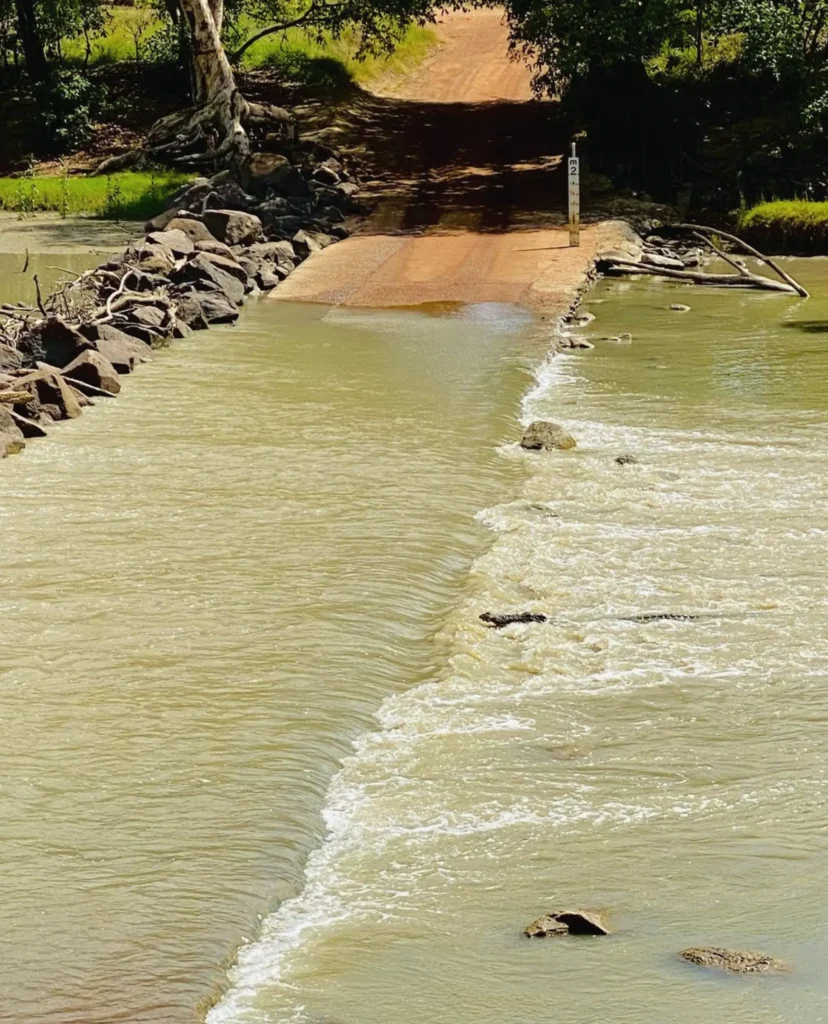
- Cahills Crossing: Observe the spectacle of crocodiles waiting for their next meal at this famous river crossing.
- Aurora Kakadu Lodge: Stay overnight at this lodge, which offers comfortable accommodations and is centrally located for exploring the northern region.
Day 2: Central Region Discoveries
- Nourlangie Rock and Anbangbang Billabong: Spend the day exploring these sites, with opportunities for both cultural and natural experiences.
- Barramundi Gorge (Maguk): Enjoy a refreshing swim in the plunge pool at the base of the falls.
Day 3: Southern Region Exploration
- Gunlom Falls: A must-visit for its scenic beauty and the chance to swim in its plunge pools.
- Mary River: Explore the southern reaches of Kakadu, including a sunset cruise on the Mary River, renowned for its wildlife and stunning sunsets.
Extended Stay: Four or More Days in Kakadu
Exploring Off-the-Beaten-Path Locations
- Sandy Billabong and Alligator Billabong: These quieter spots offer excellent birdwatching and tranquil settings away from the crowds.
- South Alligator River: Spend a day exploring this river, with opportunities for fishing and wildlife spotting.
Immersive Cultural Experiences
- Injalak Arts: Visit this art center in nearby Arnhem Land to see traditional Aboriginal art and meet the artists.
- Cultural Sites and Rock Art Tours: Take guided tours to learn about the ancient rock art and cultural significance of sites like Ubirr and Nourlangie.
- Traditional Skills Workshops: Participate in workshops to learn traditional skills, such as basket weaving and spear making, providing a hands-on connection to the Indigenous culture.
Detailed Wildlife Watching Tours
- Mamukala Wetlands and Yellow Water Billabong: Join specialized tours focusing on the rich birdlife and other wildlife that thrive in these wetlands.
- Night Tours: Night tours provide an opportunity to see nocturnal animals, such as owls and possums, adding a new dimension to your wildlife experience.
- Survival Skills Workshops: Learn traditional survival skills from the Indigenous people, offering a unique insight into their way of life and the park’s natural environment.
Accommodation Options in Kakadu
| Accommodation | Type | Location | Features |
|---|---|---|---|
| Cooinda Lodge | Lodge/Resort | Near Yellow Water | Outdoor pool, restaurant, guided tours |
| Aurora Kakadu Lodge | Lodge/Resort | South Alligator River | Camping, cabins, swimming pool |
| Mercure Kakadu Crocodile Hotel | Hotel | Jabiru | Unique crocodile-shaped design, restaurant |
| Anbinik Kakadu Resort | Resort | Jabiru | Air-conditioned cabins, caravan sites, pool |
| Various Campsites | Camping/Caravan Parks | Throughout Kakadu | Basic amenities, stunning natural settings |
Camping and Caravan Parks
Camping in Kakadu offers a truly immersive experience, allowing visitors to connect with the natural environment. There are numerous campsites scattered throughout the park, each providing a unique setting. Gunlom Campground, located near the picturesque Gunlom Falls, offers a perfect spot for those looking to hike and swim. The Merl Campground, close to Ubirr, is ideal for those interested in rock art and cultural sites.
Lodges and Resorts
For those who prefer a bit more comfort, Kakadu’s lodges and resorts provide excellent amenities. Cooinda Lodge, located near the Yellow Water Billabong, is particularly popular due to its convenient location and range of activities. Aurora Kakadu Lodge, situated near the South Alligator River, offers a more tranquil experience, with facilities including an outdoor pool and well-maintained cabins.
Cultural Experiences in Kakadu
Indigenous Heritage and Rock Art
Kakadu is a living cultural landscape, rich in Indigenous heritage. The park is home to some of the world’s oldest and most significant rock art sites. At Ubirr, you can see ancient paintings depicting animals, hunting scenes, and spiritual figures. Nourlangie Rock is another key site, featuring extensive galleries of rock art that date back thousands of years. These sites offer a profound connection to the past, showcasing the enduring legacy of the Aboriginal people.
Local Guided Tours and Workshops
Engaging with local Indigenous guides provides deeper insights into Kakadu’s cultural significance. Guided tours, such as those offered by the Guluyambi Cultural Cruise, allow visitors to learn about traditional practices and stories. Workshops on traditional crafts, such as pandanus basket weaving and spear making, provide hands-on experiences that highlight the skills and knowledge passed down through generations.
Wildlife Watching in Kakadu
Best Spots for Birdwatching
Kakadu is renowned for its birdlife, making it a haven for birdwatchers. The Mamukala Wetlands is a top spot, particularly during the dry season when thousands of waterbirds congregate. The Yellow Water Billabong is another excellent location, offering the chance to see a variety of species from the comfort of a boat. Anbangbang Billabong also provides a peaceful setting for birdwatching, with walking trails that offer excellent vantage points.
Encountering Crocodiles and Other Wildlife
No trip to Kakadu would be complete without spotting its famous saltwater crocodiles. These formidable reptiles can often be seen basking on the riverbanks, particularly in areas like Cahills Crossing and Yellow Water. In addition to crocodiles, the park is home to a variety of other wildlife, including wallabies, dingoes, and a plethora of reptile and amphibian species. Night tours offer a unique opportunity to see nocturnal animals, providing a different perspective on the park’s biodiversity.
Adventure Activities in Kakadu
Hiking Trails and Walking Tracks
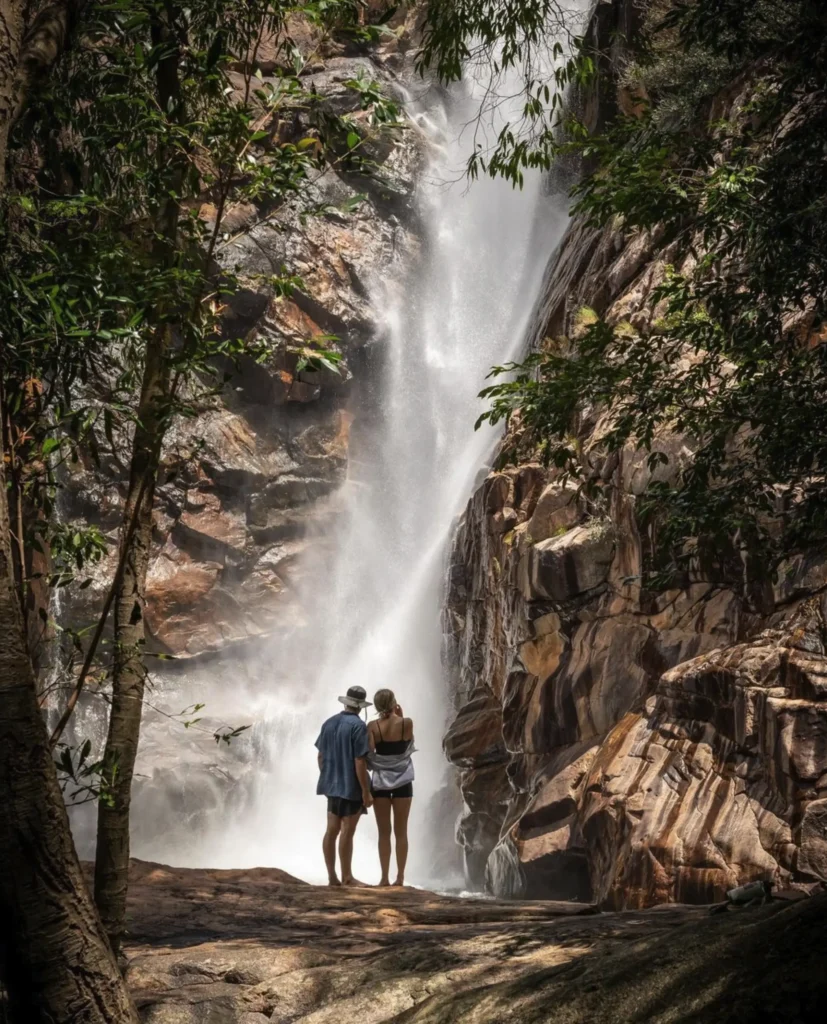
Kakadu offers an extensive network of hiking trails that cater to all levels of fitness and experience. The Nawurlandja Lookout Walk is a short but rewarding hike, offering stunning views of the escarpment and Anbangbang Billabong. For those seeking a more challenging trek, the Jim Jim Falls Walk takes you through rugged terrain to the base of the falls, where you can cool off in the plunge pool. The Twin Falls Gorge Walk combines a boat shuttle and a boardwalk hike, providing a unique and adventurous way to explore the park.
Boat Tours and Water Activities
Exploring Kakadu’s waterways is a must-do activity, and there are several boat tours available. The Yellow Water Billabong Cruise is one of the most popular, offering close encounters with a variety of wildlife, including crocodiles and numerous bird species. The Guluyambi Cultural Cruise on the East Alligator River combines wildlife spotting with cultural insights, as Indigenous guides share their knowledge and stories about the river and its significance. For a more adventurous experience, consider kayaking on the South Alligator River, where you can paddle through pristine landscapes and observe wildlife up close.
Extended Stay: Four or More Days in Kakadu
Exploring Off-the-Beaten-Path Locations
For those with more time, exploring Kakadu’s lesser-known spots can be incredibly rewarding. Sandy Billabong and Alligator Billabong are quieter locations offering excellent birdwatching opportunities and a peaceful setting. The South Alligator River is perfect for those looking to escape the crowds and enjoy fishing or wildlife spotting in a tranquil environment.
Immersive Cultural Experiences
An extended stay allows for deeper engagement with Kakadu’s cultural heritage. Visit the Injalak Arts center in nearby Arnhem Land to see traditional Aboriginal art and meet the artists. Take guided tours to learn about the ancient rock art and cultural significance of sites like Ubirr and Nourlangie. Participate in workshops to learn traditional skills, such as basket weaving and spear making, providing a hands-on connection to the Indigenous culture.
Detailed Wildlife Watching Tours
Specialized wildlife tours offer a closer look at Kakadu’s diverse fauna. The Mamukala Wetlands and Yellow Water Billabong are prime spots for birdwatching, with guided tours focusing on the rich birdlife. Night tours provide an opportunity to see nocturnal animals, such as owls and possums, adding a new dimension to your wildlife experience. Learn traditional survival skills from the Indigenous people, offering a unique insight into their way of life and the park’s natural environment.
Kakadu National Park is a destination that offers a wealth of experiences, from its stunning natural landscapes to its rich cultural heritage. The length of your stay will depend on your interests and how much time you can allocate. Whether you have just one day or an entire week, Kakadu provides an unforgettable journey through one of Australia’s most remarkable regions. To truly appreciate all that Kakadu has to offer, a longer stay is recommended, allowing you to explore its diverse environments and deep cultural roots fully.
FAQs
1. Is it possible to see Kakadu in one day?
Answer: Yes, it’s possible, but you’ll only get a brief overview. Focus on key attractions like Nourlangie Rock, Yellow Water Billabong, and Nawurlandja Lookout to make the most of your time.
2. What is the best time of year to visit Kakadu?
Answer: The dry season, from May to October, is the best time to visit Kakadu. This period offers more accessible roads, comfortable weather, and a broader range of activities.
3. Are there guided tours available in Kakadu?
Answer: Yes, there are numerous guided tours available, including cultural tours led by Indigenous rangers, wildlife watching tours, and boat cruises on the park’s waterways.
4. Can I camp in Kakadu National Park?
Answer: Absolutely! Kakadu offers several campsites, from basic bush camping to more developed sites with amenities. Camping is a great way to experience the park’s natural environment up close.
5. What should I pack for a trip to Kakadu?
Answer: Pack comfortable, lightweight clothing, sturdy walking shoes, sunscreen, insect repellent, and plenty of water. If you’re visiting during the wet season, waterproof gear and a sense of adventure are also essential.